Fit4All
Designing an inclusive, gamified fitness experience for people with mobility impairments
Role: Lead UX / Gamification Designer
Timeline: 4 weeks
Platform: Mobile (IOS)
Focus Areas: accessibility, gamification, inclusive design

Project Objective
The Problem
People with mobility impairments are often excluded from mainstream fitness apps, which prioritize able-bodied movement, competitive metrics, and non-adaptive workouts.
Why it Matters
-
Fitness apps rarely adapt to disabilities, injuries, or assistive needs
-
Users feel discouraged, unsafe, or unsupported
-
Motivation drops when systems aren’t built for diverse bodies
"How might we redesign the fitness experience for users with mobility impairments, moving toward inclusive design, with health-focused gamification?"
User Personas
Context: Wheelchair user, works from home
Need: Adaptive, seated workouts with voice control
Pain Point: Apps assume standing/full mobility
Accessibility Must: Preset accessibility mode + hands-free controls
Persona 1: Mobility Impaired
Context: Recovering from a knee injury
Need: Safe, adaptive intensity progression
Pain Point: Fear of re-injury from generic workouts
Accessibility Must: AI-adjusted workouts + SOS safety support
Persona 2: Recovering from Injury
Context: Reduced mobility, exercises at home
Need: Simple, low-impact guidance
Pain Point: Overwhelming interfaces and small text
Accessibility Must: Large UI, voice guidance, saved presets
Persona 3: Older Adult
Research & Design Foundations
Design Principles
Autonomy
Users set goals at their own pace.
-
Flexible workout scheduling
-
Accessibility presets chosen by users, not forced
-
Optional progress tracking (no mandatory streaks)
Competence
Progress feels achievable, not punitive.
-
Adaptive workout intensity
-
Effort-based feedback instead of performance comparison
-
Success defined by consistency and participation
Relatedness
Social systems encourage support, not shame.
-
Non-competitive encouragement cues
-
Community features framed around shared effort
-
Language avoids ranking, streak loss, or failure states
Research Foundations
Self-Determination Theory
-
Supports motivation through autonomy, competence, and relatedness
-
Informed Fit4All’s focus on choice, achievable progress, and emotional safety
Meaningful Gamification (Nicholson's RECIPE Framework)
-
Prioritizes intrinsic motivation over extrinsic rewards
-
Guided the removal of punitive mechanics (e.g., streak loss, leaderboards)
Core Experience Walkthrough
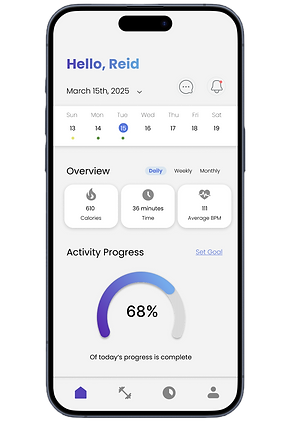


Gamification & Accessibility
Points: Rewards participation and consistency, not intensity or speed.
Levels: Users progress independently within each activity to prevent injury and reduce pressure.
Achievements: Badges support different motivations (consistency, exploration, social connection).
Leaderboard: Encourages participation through supportive, non-punitive ranking.
Gamified Elements
-
Adaptive workout constraints
-
Assistive AI (FitBuddy)
-
Preset + customizable accessibility modes
-
Clear visual hierarchy & contrast
Accessibility Features
Conclusion
What Worked
-
Inclusive framing resonated strongly
-
Gamification balanced motivation + safety
-
Users weren’t punished for limitations
Future Improvements
-
Usability testing with disabled users
-
Real-world trainer integration
-
Longitudinal motivation tracking
Fit4All taught me that inclusive design isn’t about adding accessibility at the end; it requires rethinking motivation, progress, and success from the start.